Katana Sword Parts Japonalia

The samurai sword or Japanese katana. Names of basic parts of the nihonto or Japanese sword. Information on the terminology in Japanese to help in identifying parts of the katana.
Antique Japanese Samurai Sword CollectionGold/Shakudo Old Naginata Naoshi St Croix Blades
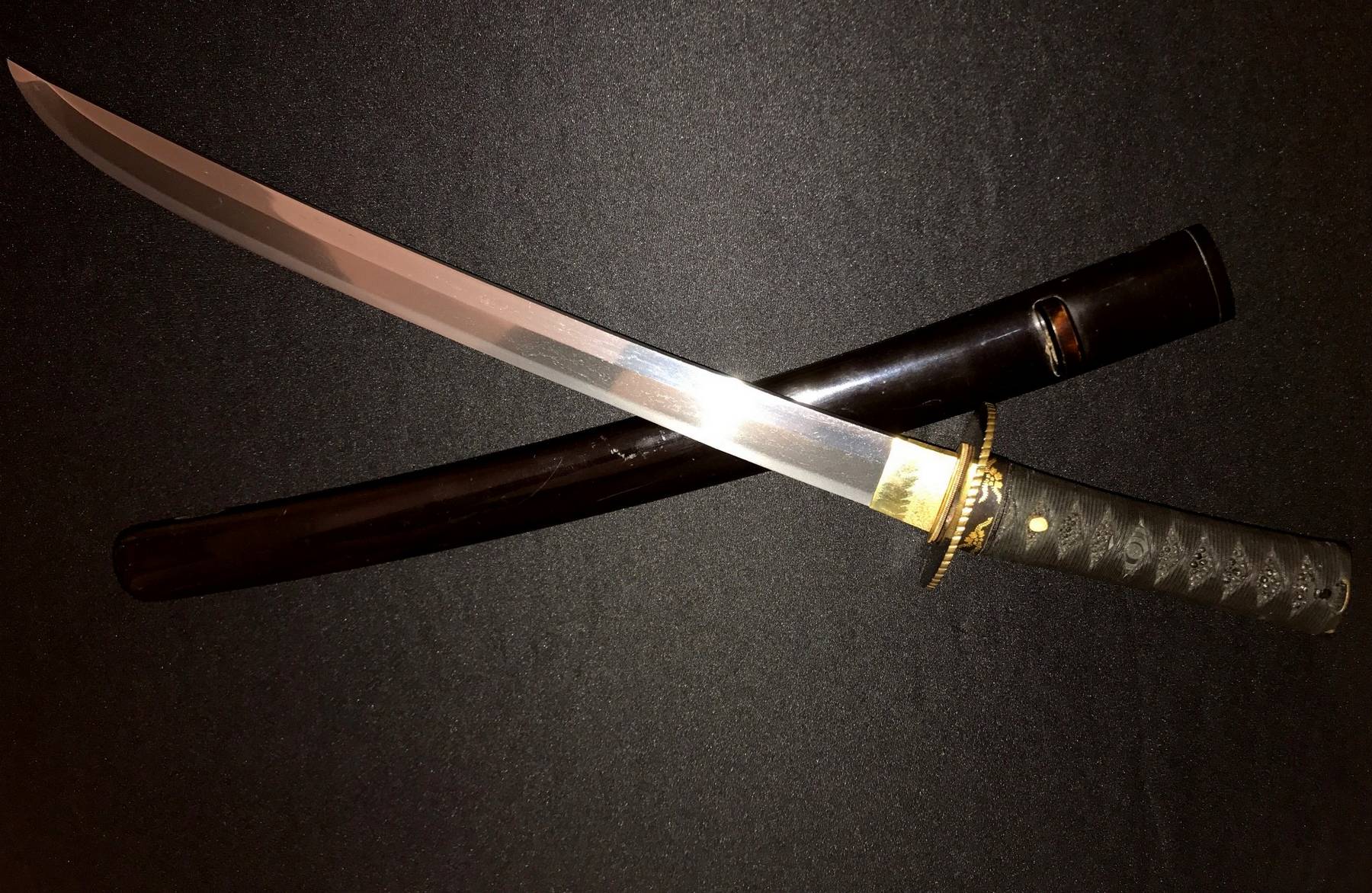
However, between 1935 and 1945, the Shin Gunto sword became a symbol of rank in the Imperial Japanese Army. It borrowed the design of the traditional slung tachi carried by the samurai, resembling a smaller katana. In a world now filled with gun-smoke, the swords stood mostly as military flair.
Pin on Japanese History of the Samurai Swords

Katana Sword Parts and Information. The Katana is a curved, single-edged Japanese sword traditionally used by the samurai. Pronounced [kah-tah-nah] in the kun'yomi (Japanese reading) of the kanji, the word has been adopted as a loan word by the English language; as Japanese does not have separate plural and singular forms, both "katanas" and "katana" are considered acceptable plural forms in.
Parts of the Sword Espadas, Katana, Espadas samurai

The steel used in sword production is known as tamahagane (玉鋼:たまはがね), or "jewel steel" (tama - ball or jewel, hagane - steel). Tamahagane is produced from iron sand, a source of iron ore, and mainly used to make samurai swords, such as the katana, and some tools.. Diagram of a tatara and bellows. The smelting process used is different from the modern mass production of steel.
10 Things To Know About Samurai Swords AGGV Magazine
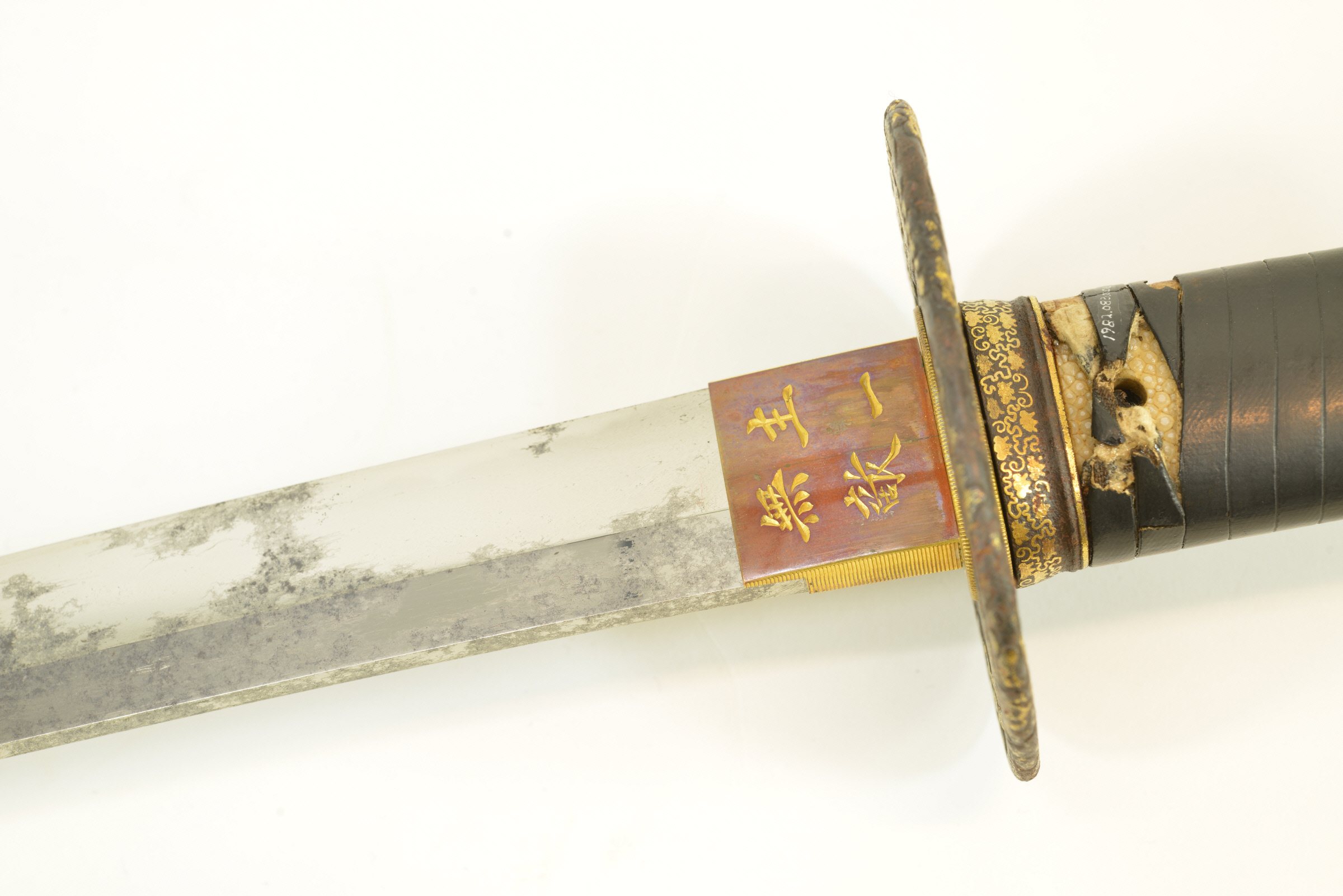
👉 You can click that each title corresponding to the part of the nomenclature of the Katana in order to reach more details about it. 1. The Katana blade. This is the most important part and the most detailed, it is also this part which represents 50% of the price, because the forging is technical and the steels are varied. A. Nagasa
20 Types Of Japanese Swords Guide To Samurai Swords Explained! Best Japanese Products

As a symbol of the samurai warrior class, the sword represents honor, discipline, and the spirit of the Japanese people. In this blog, we will delve into the lesser-known aspect of the samurai sword, the samé or rayskin, and explore its history, significance, and the unique role it plays in the construction of these iconic weapons.
Pin on a Tanto

The most important parts of a katana blade include: Mune: This is the back edge of the blade. Ji: The softest section of metal in the back of the blade. Ha: The harder section of the metal at the front of the blade. Kissaki: This is the slightly rounded tip of the blade. Shinogi: The ridgeline of the blade (not the same as the hamon line).
SWORD ANATOMY Hung Shing, T.S.
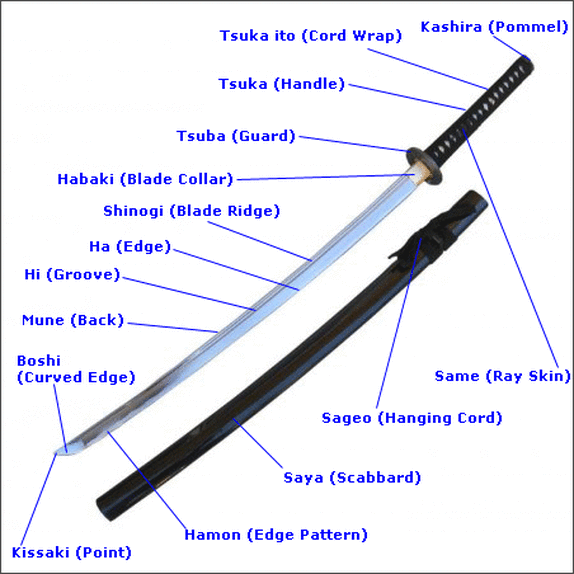
Japanese Sword - The Ultimate Source for Parts and Supplies relating to the Restoration and Maintenance of the Japanese Samurai Sword. References available. In addition to producing quality sword parts & materials, we offer professional restoration of Japanese swords, Chinese copy swords and USA produced swords
Katana Sword Parts Japonalia

Broadly speaking there are three categories of Japanese sword types: the katana, the wakizashi and the tanto.. Katana - The katana (刀, blade) is the most familiar of the three and the one we most associate with samurai.These Japanese long swords first appeared during the Muromachi period (1338-1573) and were approximately two shaku in length (24 inches or 60cm in today's measurements).
Samurai Swords (Illustration) World History Encyclopedia

Katana - The most popular Japanese Sword used and favored by the samurai, it measures 39-inch (1-meter) in length, allowing it to be used as a two-handed weapon in almost any situation. Wakizashi - The Wakizashi is often carried together with the katana, making it part of the Daisho set.
Pin on Samurai Art

Samurai swords are incredibly intricate and are made up of many parts Source: Wikimedia Commons 4. The samurai sword was part of Japan's popular culture centuries before anime was a thing
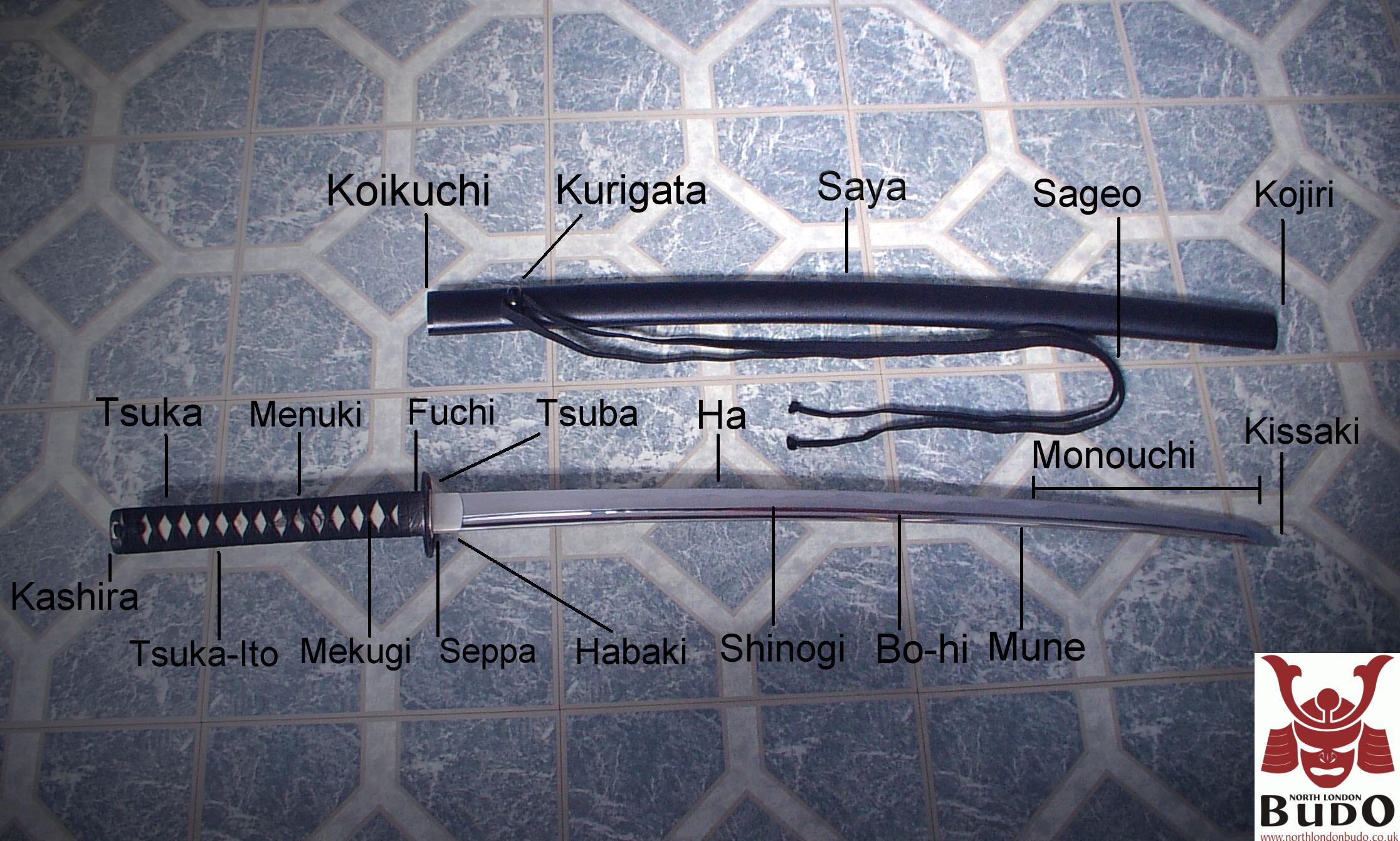
The Parts of a Japanese swordBasic guide. North London Budo Dojo Iaido Kobudo Martial Arts Dojo
The Swords forged with Spirit of Japan. Katana (Samurai Sword) is a generic term for swords forged in the originally developed way in Japan. They are classified as Katana (Tachi, Uchigatana), Wakizashi and Tanto depending on size. Craftsmen who make Katana are called 'Toko (sword craftsman),' 'Tosho (sword master)' or 'Katana kaji (swordsmith).
Samurai Sword Terminology

The Art of Steel Manufacture. Samurai sword blades were made in specialist workshops using steel in a manufacturing process which dated back to the Nara Period (710-794 CE). The steel was worked by master craftsmen who carefully controlled the carbon content in various parts of the blade for maximum strength and flexibility, as here explained by the historian W. E. Deal:
Authentic Japanese Swords the Ultimate Guide
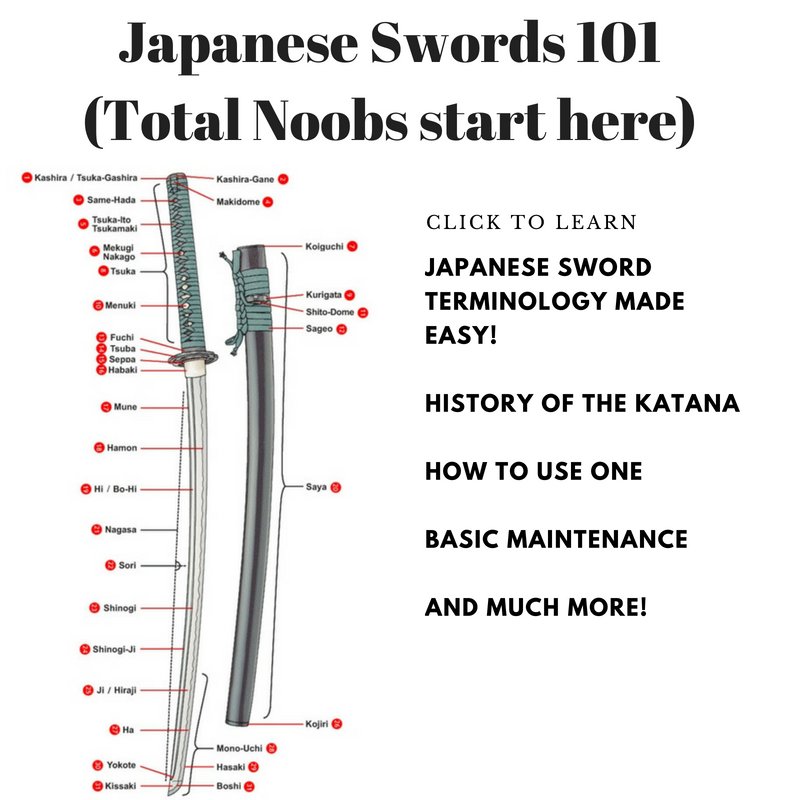
The Japanese samurai sword, often simply referred to as a katana, is an iconic weapon known for its craftsmanship, cultural significance, and historical importance. In this article, we'll take a detailed look at the various components of a Japanese samurai sword and explore the specialized terminology associated with this remarkable blade. 1.
Parts Of Samurai Sword

Components A diagram of a katana and koshirae with components identified. Fuchi (縁): The fuchi is a hilt collar between the tsuka and the tsuba.; Habaki (鎺): The habaki is a wedge-shaped metal collar used to keep the sword from falling out of the saya and to support the fittings below; fitted at the ha-machi and mune-machi which precede the nakago.; Kaeshizuno (返し角): A hook-shaped.
Sword Blog

Samurai Katana sword is not just a single piece of the sword; instead, it comprises many different parts such as Tsuka, Saya and Tsuba, etc. Below is a complete description and overview of Katana parts. Also you can learn more about the sword lengths of other types as wakizashi sword length and katana length.
.

