See No Evil, Hear No Evil, Speak No Evil Statue Editorial Image Image of head, mute 216520220

The three wise monkeys at the Tōshō-gū shrine in Nikkō, Japan. The three wise monkeys are a Japanese pictorial maxim, embodying the proverbial principle " see no evil, hear no evil, speak no evil ". [1] The three monkeys are. Mizaru ( 見ざる ), who sees no evil, covering his eyes. Kikazaru ( 聞かざる ), who hears no evil, covering.
See no evil hear no evil speak no evil Get Rid Of Dandelions, Backyard Campfire, Year Of The

The ancient Japanese proverb "see no evil, hear no evil, speak no evil" was popularized in the 17th century as a pictorial Shinto maxim, carved in the famous Tōshō-gū Shinto shrine in Nikkō, Japan.. Three Wise Monkeys illustrated the idea of protecting one's self from unsavory or challenging behavior, thought, or language.
Clipart of Hear No Evil See No Evil Speak No Evil and Do No Evil Monkeys with Text Royalty
Definition of see no evil, hear no evil, speak no evil in the Idioms Dictionary. see no evil, hear no evil, speak no evil phrase. What does see no evil, hear no evil, speak no evil expression mean? Definitions by the largest Idiom Dictionary.
Three Wise Monkeys See Hear Speak No Evil Stock Illustrations 176 Three Wise Monkeys See Hear
The Three Wise Monkeys, See No Evil, Hear No Evil, and Speak No Evil, are often known these days as popular emojis. Before that they were pop culture cartoons and figurines (and one of the few things Gandhi owned). But before all that they were part of a 17th-century carving at the Shinto Tōshō-gū Shrine in Nikkō, Japan. The monkeys are also part of Buddhist legend, Kōshin practice, and.
63 best see know evil images on Pinterest Three wise monkeys, See no evil and Monkeys

They are identified with a proverbial saying, 'See no evil, hear no evil, speak no evil', first recorded in 1926 and now generally used sarcastically against those who, through selfishness or cowardice, choose to ignore some wrongdoing. A few figurines show the first two monkeys peeping and listening, while the third has a finger on his.
See no evil, hear no evil, speak no evil Monkeys Photo (14750406) Fanpop
The proverb see no evil, hear no evil, speak no evil is derived from a work of art. A seventeenth century carving above the door in Tōshō-gū shrine in Nikkō, Japan depicts three monkeys-one with his hands covering his eyes, one with his hands covering his ears, and one with his hands covering his mouth. The original meaning of the.
1000+ images about See no evil, hear no evil, speak no evil on Pinterest Monkey tattoos, Three

A cultural symbol originating in Japan, the three wise monkeys—one covering his eyes, one his ears, and one his mouth—are known by their names Mizaru, Kikazaru, and Iwazaru. They symbolize the proverbial saying, "See no evil. Hear no evil. Speak no evil". Surprisingly, their Japanese names are also a play on words.
See No Evil. Speak No Evil, Hear No Evil Royalty Free Stock Photography Image 1081947

Speak No Evil: Directed by James Watkins. With James McAvoy, Aisling Franciosi, Dan Hough, Mackenzie Davis. A family invited to spend a weekend in an idyllic country house, goes from a dream vacation to a psychological nightmare.
Three Life Size Bronze Monkeys "see no evil, hear no evil, speak no evil.

Discover Three Wise Monkeys of Tōshōgū Shrine in Nikko, Japan: See no evil, hear no evil, speak no evil. Trips.. the principle of "see no evil" is believed to date back to antiquity.
Speak No Evil, Hear No Evil, See No Evil Stock Photography Image 25003722
The protagonists are Kikazaru, the monkey that doesn't hear, Iwazaru, the monkey that doesn't speak and Mizaru, the monkey that doesn't see. These three unique creatures were sent by the gods as observers and messengers. In other words, t hey were to testify to the good and evil of humanity and report back to the deities.
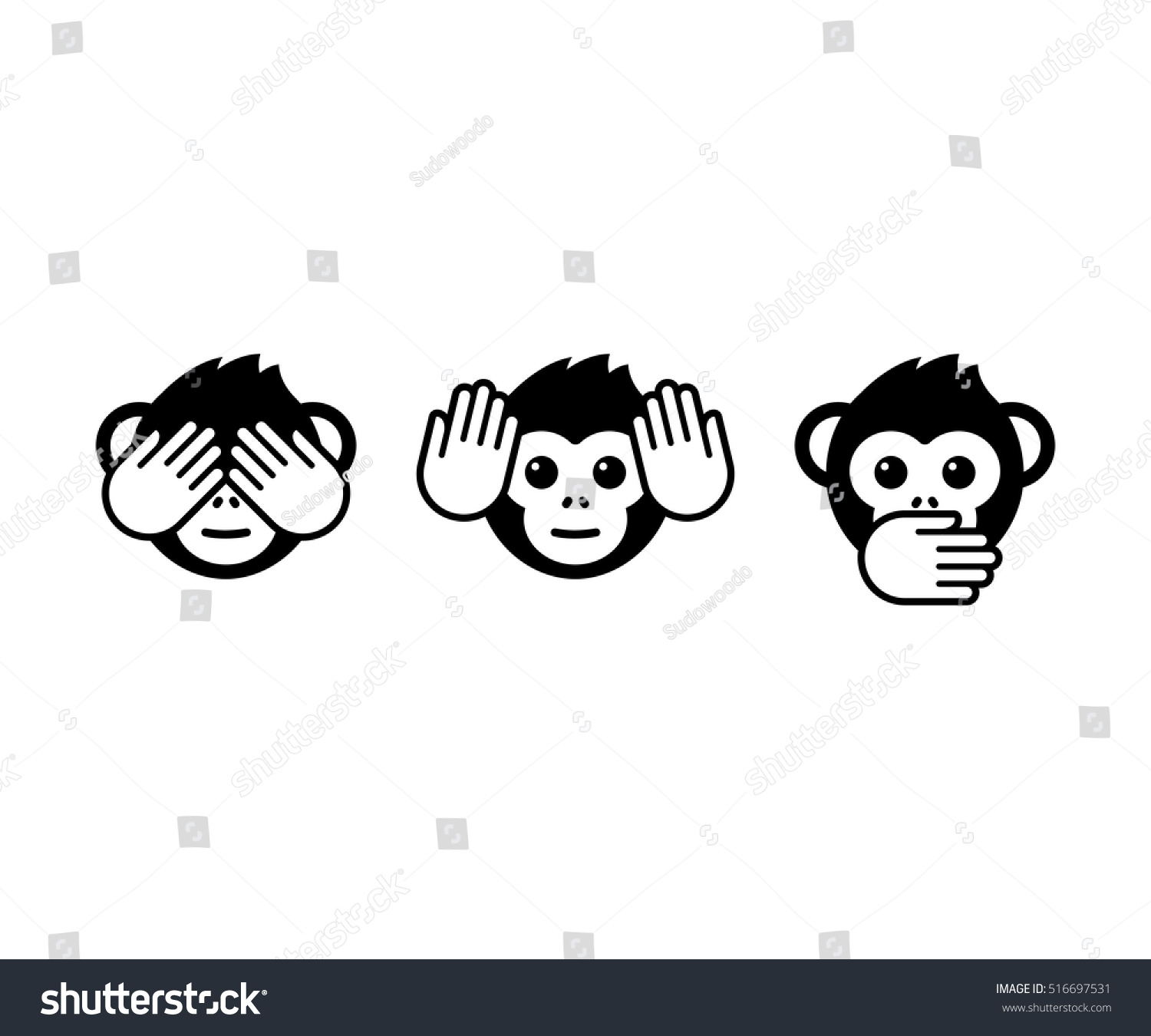
See No Evil Hear No Evil Stock Vector 516697531 Shutterstock
The famous adage "Hear No Evil, See No Evil, Speak No Evil" has permeated popular culture, art, and philosophy for centuries. This timeless concept, often depicted through the iconic three wise monkeys, has transcended geographical boundaries and continues to captivate the human imagination. This article delves into the origins, cultural.
hear no evil, see no evil, speak no evil... by artisticphotographer on DeviantArt Trois

The Three Wise Monkeys is a Japanese visual representation of the proverb "See No Evil, Hear No Evil, Speak No Evil". The monkeys are depicted as Mizaru, who covers his eyes to "see no evil", Kikazaru, who covers his ears to "hear no evil", and Iwazaru, who covers his mouth to "speak no evil". These monkeys are not just individual sculptures.
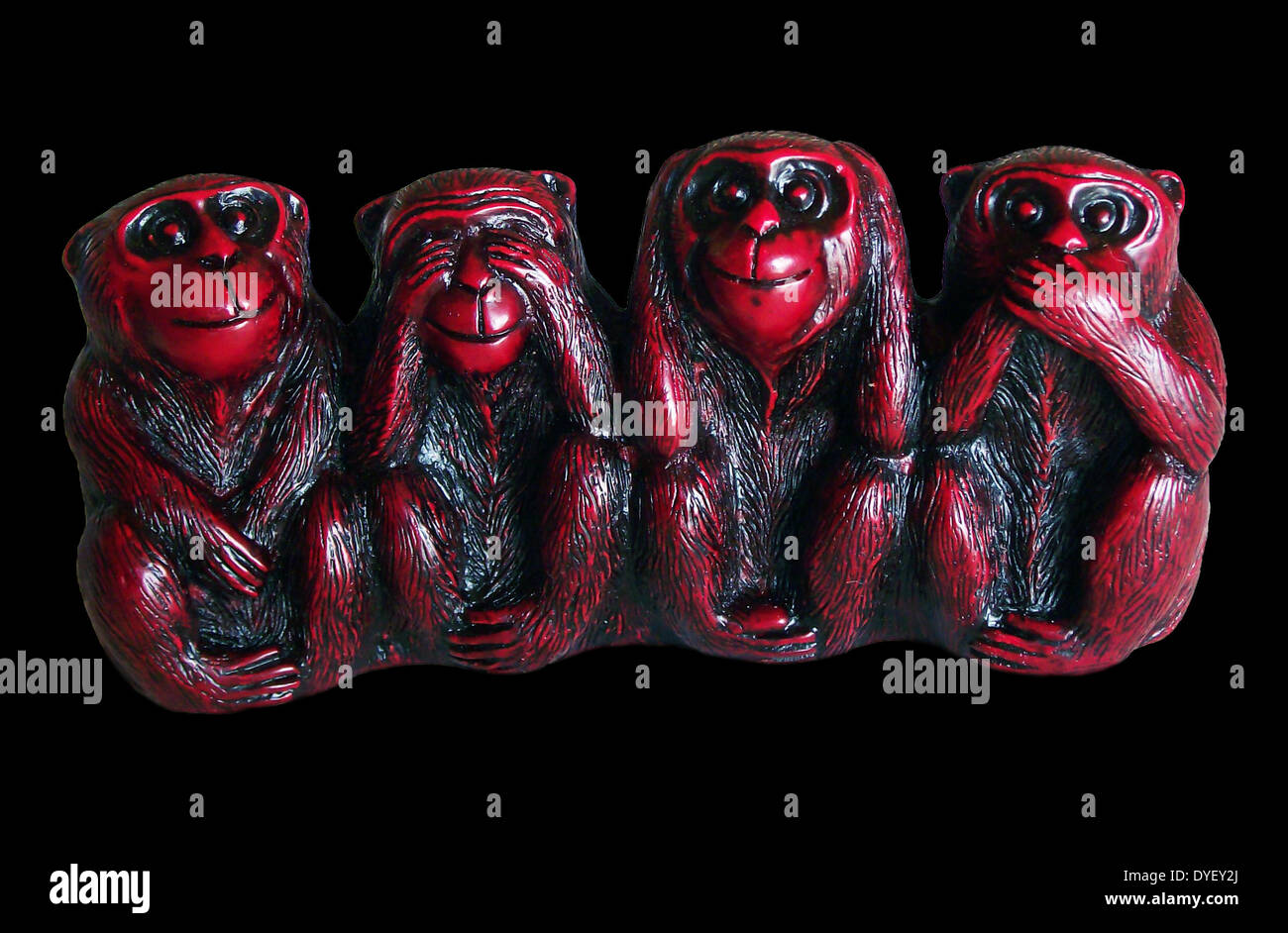
The Four Wise Monkeys Do no evil; See no evil; Hear no evil; Speak Stock Photo 68555386 Alamy
See no evil, hear no evil, speak no evil. The proverb is conventionally represented by figurines or pictures of three monkeys covering respectively their eyes, ears, or mouth with. Access to the complete content on Oxford Reference requires a subscription or purchase. Public users are able to search the site and view the abstracts and.
Best Hear No Evil See No Evil Speak No Evil Garden Statue Monkey Your Home Life

In English, this expression is generally used in reference to those who choose to turn a blind eye to wrongdoings; but its original meaning, rooted in Confucianism, is to teach prudence and the importance of avoiding evil. It is believed that Buddhist monks brought the expression from India to Japan by way of China around the 8th century. In.
Speak No Evil, Hear No Evil, See No Evil [Contest] by SerifDraws See No Evil 2, Evil Tattoo

See no evil, hear no evil, speak no evil. A Buddhist/Shinto proverb that some sources maintain is Japanese, while others maintain it is Chinese and attribute it to Confucius, because a similar concept is quoted in the Analects of Confucius, which date from the 4th or 2nd century BC, "Look not at what is contrary to propriety; listen not to what is contrary to propriety; speak not what is.
Hear no evil stock image. Image of evil, garden, speak 32241393

group or interpersonal contexts, they speak evil in very similar ways, not in the sense of doing harm through words but speaking out against immoral action. The second concrete implication of our argument is that individuals will use moral judgments as a basis, indeed the most important factor, for assessing international
.