Gummy Sharks with Teeth 38Piece Bag Candy Warehouse
Habitat: Gummy sharks are a demersal species that inhabits the continental shelf from the near shore region to depths of 80-350 metres. They remain either on or near the sea bed. Newborn and juvenile gummy sharks aggregate in many areas across southern Australia, while young and adult gummy sharks are more widely distributed. Gummy sharks tend.
Gummy Sharks with Teeth 38Piece Bag Candy Warehouse
Another way is by looking at their teeth; the gummy shark has flat teeth while the other species has small sharp teeth. This shark has become popular as cuisine; its meat is known as flake. Australian cuisine benefits from the boneless filets, which are also great served as fish and chips - a popular and delicious plate..
Gummy Shark "OCEAN TREASURES" Memorial Library
At UF, Fraser's lab is culturing and studying sharks' "immortal" tooth cell lines in hopes of uncovering new human dental therapies. To locate the genetic switches that enable sharks to keep making teeth, Fraser is manipulating some shark embryos to stop developing teeth — essentially "gummy sharks" — and others to kick their.
Blue Baby Sharks Gummy Candy Bulk Pack, 5 Lbs
They have sharp teeth that they use to catch prey like fish and squid. Despite their intimidating appearance, gummy sharks are not considered dangerous to humans. Hunting and Habitat.. Gummy sharks, despite their name, have predators in the wild. Larger shark species like great whites and tiger sharks are known to prey on gummy sharks due to.
Shark Teeth Save Our Seas Foundation
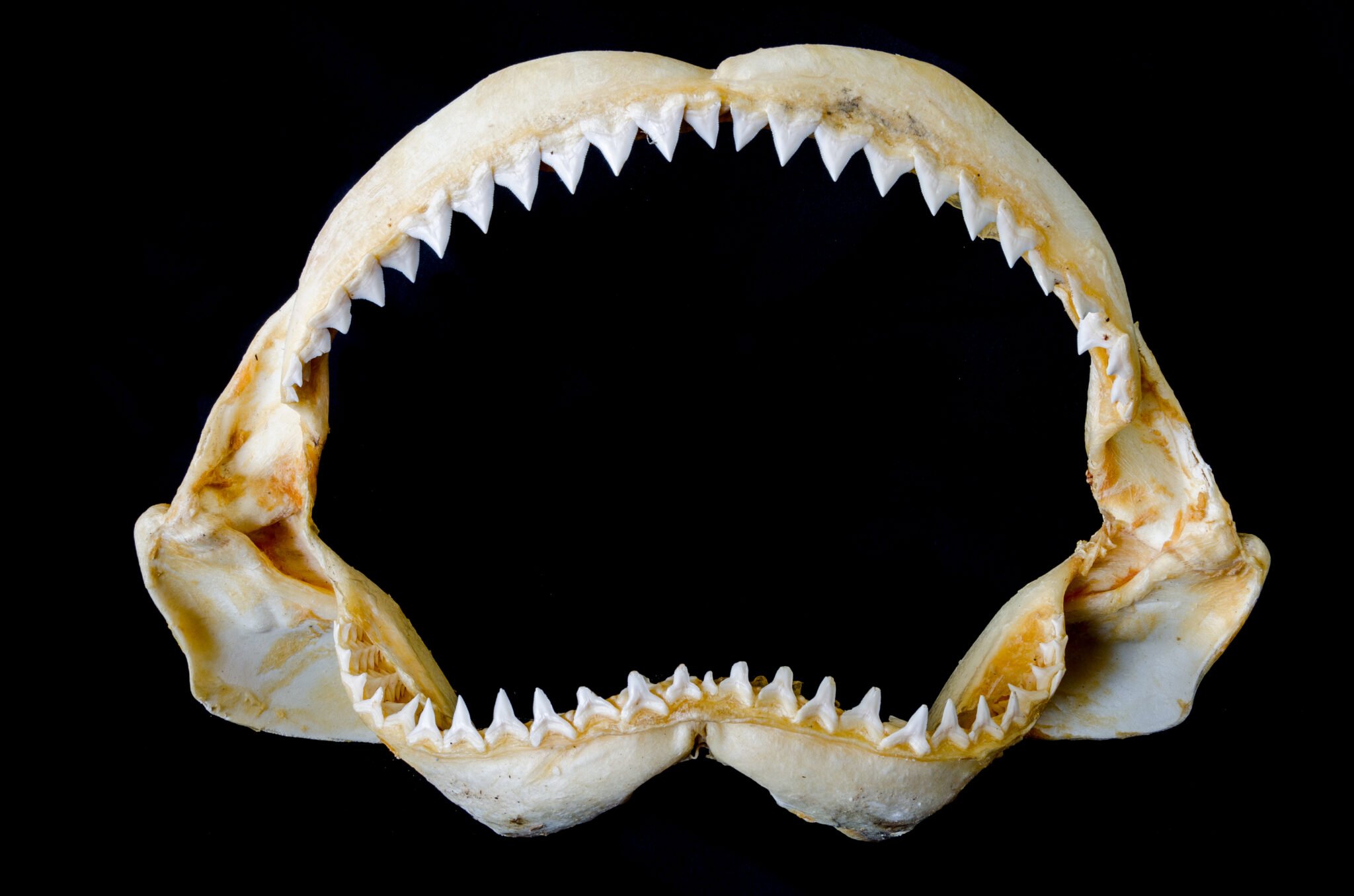
Gummy sharks range from 18 to 69 inches and weigh around 67.9 lbs, with the females generally larger than the males. They are long and thin, with a flat, broad head and snout. Their teeth are plate-like and arranged in a pavement-like pattern, which gives the gummy shark its name. Where do they live. Map Of The Gummy Shark's Habitat
Gummi Blue Shark, 5 Lb Amazon.ca Grocery

The Eastern spotted gummy shark is ovoviviparous that produces young by means of eggs that are hatched within the body of the parent, as in some snakes. The maturity range is from 86 to 94.2 cm in length. Behaviour: The depth range is from 52 - 403 m deep. Do you have images or videos of Eastern Spotted Gummy Sharks? Submit them to info.
How Many Teeth Do Sharks Have Howmanypedia
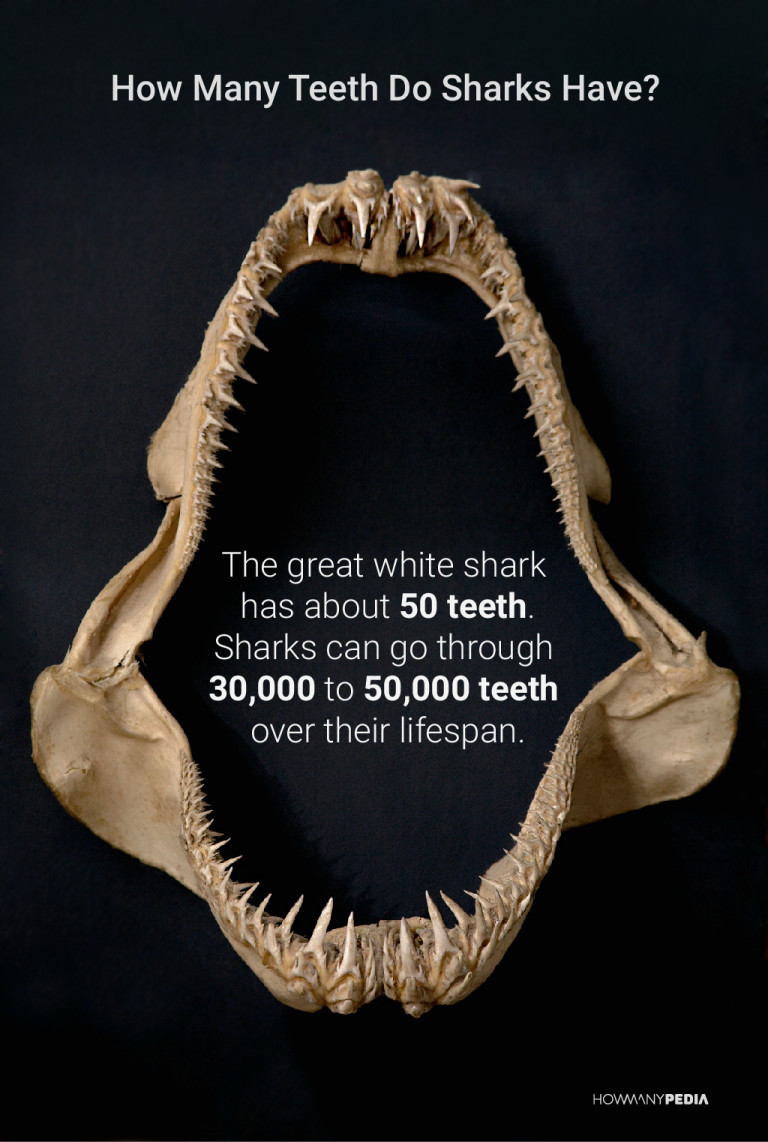
18. When you think about sharks, the first thing that might come to mind are huge jaws filled with rows of deadly-looking teeth. But shark teeth come in many shapes and sizes. They can tell us how these fish live and evolved. All sharks have teeth, but what may surprise you is that they don't all have sharp, triangular teeth.
Gummy Shark, Mustelus antarcticus Shark fishing, Ocean creatures, Species of sharks

The gummy shark (Mustelus antarcticus) also known as the Australian smooth hound, flake, and smooth dog-shark, is a shark in the family Triakidae. It is a slender, grey shark with white spots along the body and flat, plate-like teeth for crushing its prey. It has a maximum length between 157 cm (male) and 175 cm (female). It feeds on crustaceans, marine worms, small fish, and cephalopods.
Gummy Blue Sharks Cottage Country Candy
The Gummy shark is a longer thin shark with a flat wide head and snout. This species of shark has a max length of 157 cm and a max published weight of 30.8 kg. The Gummy shark has been reported to live up to 16 years of age. The Gummy shark have been found at depth of 350 m but commonly around 80 m.
Gummy Sharks Gummy Sharks Candy Gummy Sharks Bulk Blue Candy Bulk Candy 5

Stock Structure. Gummy Shark (Mustelus antarcticus) is distributed throughout the temperate waters of Australia, from at least Port Stephens in New South Wales to Geraldton in Western Australia (including Tasmania) 1,2.The most recent research on biological stock structure for Gummy Shark 3 suggested that there is most likely one biological stock in southern Australia (extending from the lower.
Gummy Shark "OCEAN TREASURES" Memorial Library
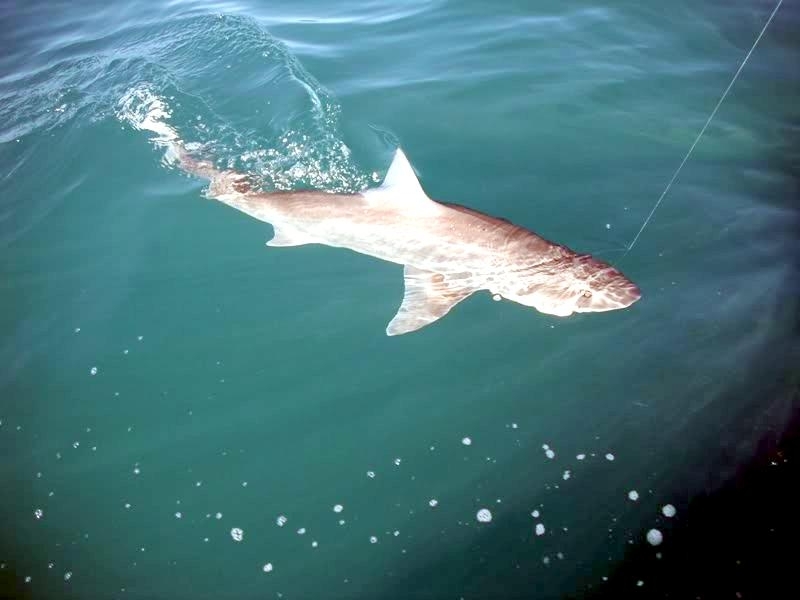
Identification. Gummy sharks are normally grey above and silvery-white below. The common name results from the teeth, which are arranged in a pavement-like pattern. This species has also been called 'Sweet William'. Whitley (1940) stated that "The name "Sweet William", sometimes applied to the Gummy Shark, has been borrowed from a sobriquet for.
GUMMY SHARK Mustelus antarcticus AUSTRALIA. David Fleetham Underwater Photography

The gummy shark gets its name from its flat, plate-like teeth which it uses to crush its shelled and non-shelled prey. Male gummy sharks can reach a maximum length of 157 cm (62 in), and females can reach up to 175 cm (69 in). The minimum size of a grown male or female is 45 cm (18 in).. Although gummy sharks have not been over-fished, they.
Gummy Shark "OCEAN TREASURES" Memorial Library
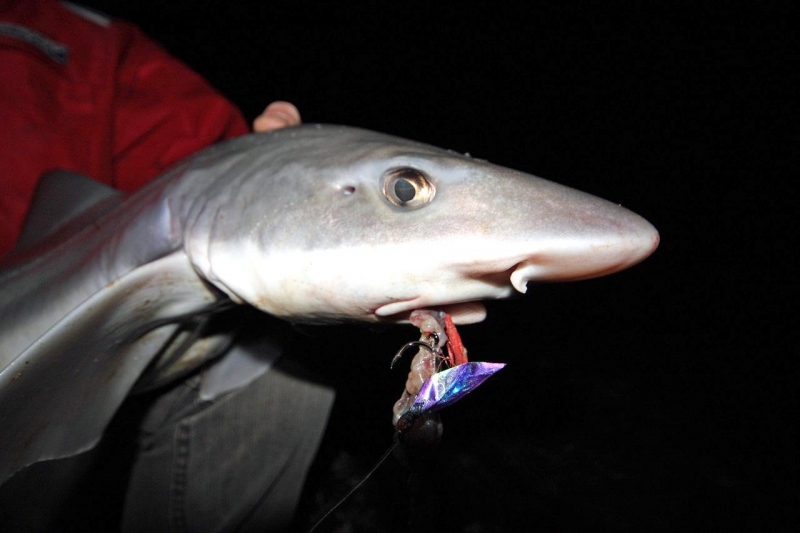
The gummy shark gets its name from its flat, plate-like teeth which it uses to crush its shelled and non-shelled prey. Male gummy sharks can reach a maximum length of 157 cm (62 in), and females can reach up to 175 cm (69 in). The minimum size of a grown male or female is 45 cm (18 in). At birth, these sharks measure between 30 and 35 cm. Said.
Blue Gummi Sharks Albanese Gummy Sharks Shark Gummies Albanese Candy

In addition, the grey gummy shark has a bluntly pointed snout and between its jaws are asymmetrical teeth that have dull, rounded cusps. Eyes. Grey gummy sharks have large eyes which are elongate-oval in shape. Like many animals, the grey gummy shark is also found to have nictitating lower eyelids and deep sub-ocular pouches.
Gummi Sharks WinCrest Bulk Foods Ocean party food, Blue food, Gummies

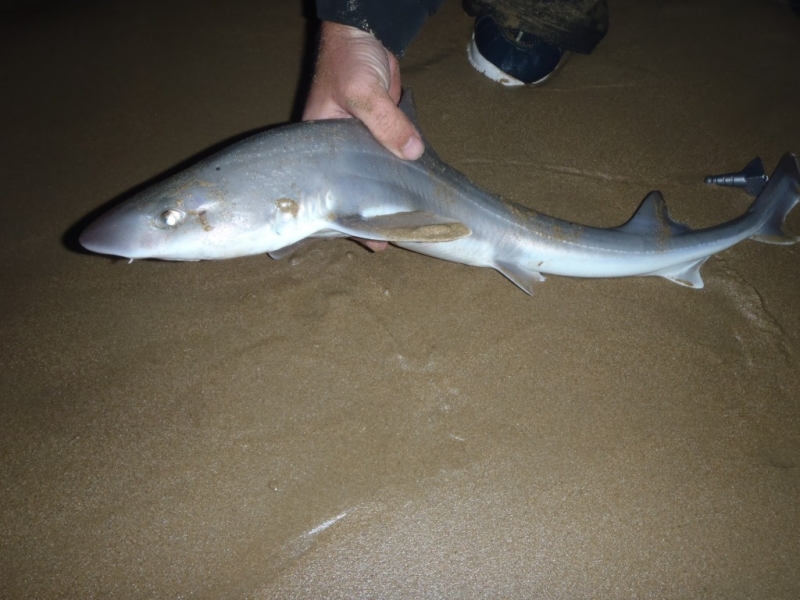
Description. As the name suggests, gummy sharks do not have a set of sharp teeth and this makes them quite safe to handle. The back and upper part of the fish is grey in colour with numerous small white spots. Sometimes gummy sharks can be almost black in colour when taken from certain waters. The underside is always white.
Gummy Sharks with Teeth 38Piece Bag Candy Warehouse

Gummy sharks (Mustelus antarcticus) are a species that find their native land in Southern Australia. They are characterized by their blunt teeth, which is quite unlike the sharp teeth that most sharks are known to have. Due to the bluntness of their teeth and the fact that they dwell at the bottom of the sea, they usually feed on mussels, crabs.
.